
New Haven Mold Remediation
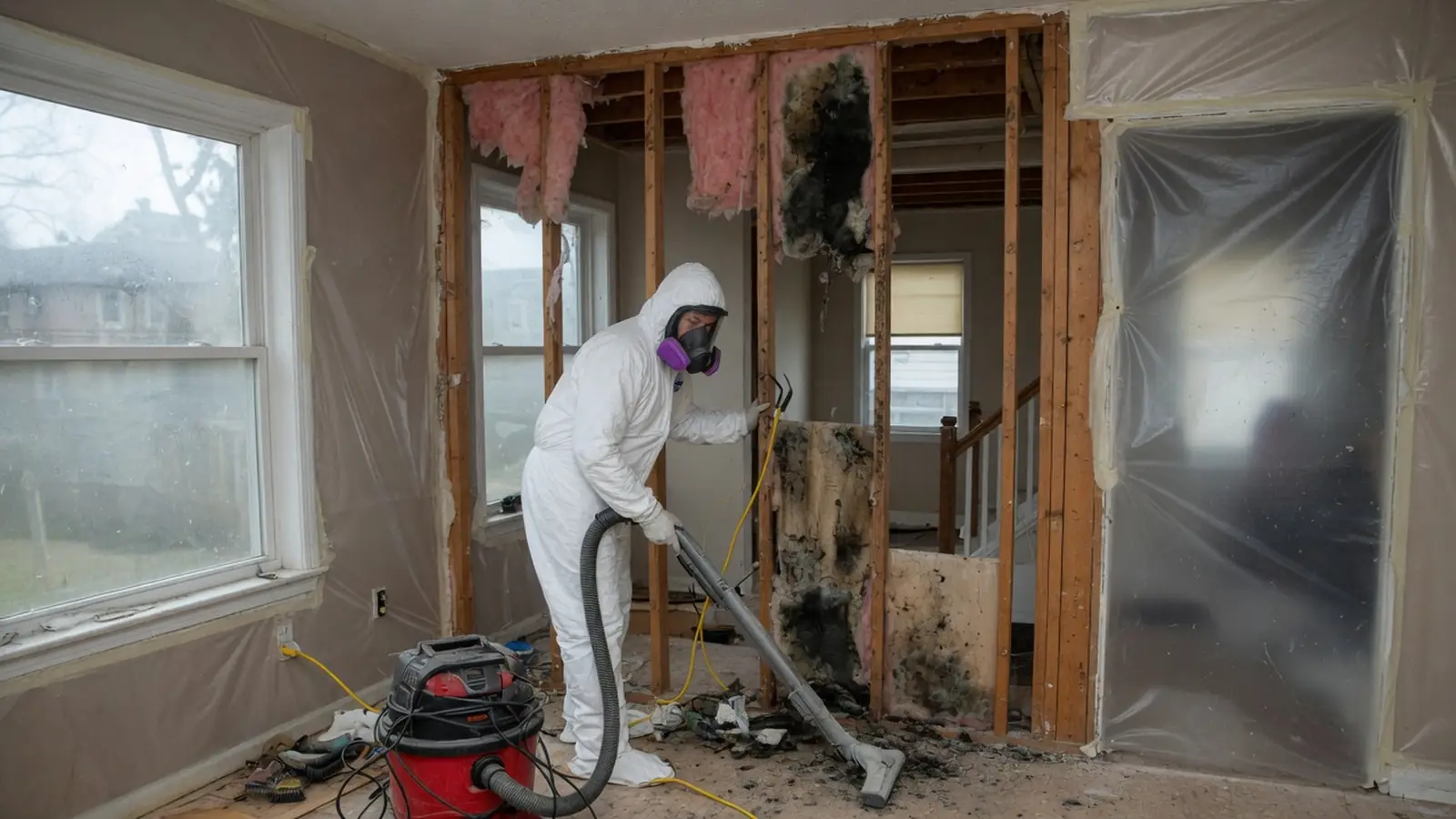
When water intrusion triggers microbial colonies behind drywall and baseboards, fast containment protects your indoor air. Technicians isolate contaminated zones using polyethylene vapor barriers under negative air pressure with HEPA filtration to prevent airborne spores from migrating to clean living areas. Our certified crew locates hidden moisture pockets and restores clean, dry structural framing throughout your property.
Call (203) 555-0143.
Prefer to talk? (203) 555-0143
Restoring Safe Indoor Air Quality
High summer relative humidity along the Connecticut shoreline accelerates dormant mold colonization on damp drywall and structural framing within 24 to 48 hours of an unresolved water leak.
Homeowners often describe how chronic summertime humidity combined with foundation seepage allows hidden mold colonies to spread behind baseboards and up drywall framing.
About 88% of local housing units (52,289 of 59,097) were built before 1980, the period when asbestos-containing materials and lead paint were still in use.
When water intrusion strikes, property owners rely on our team for comprehensive emergency water damage restoration and structural drying to halt moisture spread.
We establish strict negative-air isolation and clean room conditions before disturbing any contaminated gypsum or structural timbers.
Systematic Remediation Protocol
A pattern echoed in public discussions is that extracting 3 to 9 inches of standing floodwater requires commercial pumping and dehumidification to prevent permanent subfloor and sill plate rot. When storms breach building envelopes, property owners need immediate assistance resolving severe basement flooding and water infiltration before high relative humidity triggers widespread microbial growth. Our systematic process isolates active spores, removes saturated materials, and restores structural equilibrium.
- Moisture Mapping & Inspection. We deploy infrared thermal cameras and calibrated pinless moisture meters to detect moisture trapped behind wall cavities, subflooring, and crawl spaces.
- Negative Air Containment. Technicians isolate contaminated zones using polyethylene vapor barriers under negative air pressure with HEPA filtration to prevent airborne spores from migrating to clean living areas. Critical barriers seal off all door jambs and supply vents, guaranteeing contaminated air exhausts safely outside your building envelope.
- Selective Removal & Sanding. Irreparably colonized drywall and trim are bagged in sealed containment before removal, while structural wood timbers undergo HEPA-vacuuming and deep antimicrobial scrubbing.
- Dehumidification & Encapsulation. Industrial LGR dehumidifiers extract trapped ambient humidity until framing studs reach baseline levels, followed by specialized antimicrobial encapsulation to prevent recurrence.
Certified Workmanship Standards
Proper structural recovery requires IICRC-certified technical drying protocols to eliminate concealed moisture before mold colonization begins. Whether addressing sudden roof seepage or providing emergency response for burst frozen pipes during harsh winter freezes, our team never cuts corners with cosmetic surface treatments. We log thermal moisture profiles daily and maintain negative pressure containment until structural wood reaches safe moisture equilibrium.
Attic Mold Remediation
Bathroom exhaust fans venting directly into unconditioned attics introduce excessive humidity that fuels widespread mold growth on roof sheathing and rafters. We seal bypasses, treat colonized sheathing with antimicrobial wash, and re-route exhaust ducting outdoors to prevent recurrent dampness.
Basement & Crawl Space Cleanup
Chronic summertime humidity combined with foundation seepage allows hidden mold colonies to spread behind baseboards and up drywall framing. We eliminate subfloor dampness, sanitize exposed masonry, and apply moisture barriers to keep subterranean spaces dry.
Structural Encapsulation
We apply commercial-grade EPA-registered fungicidal sealants to cleaned framing studs and subflooring after moisture removal. This protective barrier encapsulates porous wood fibers and locks out future microbial activity.
Our Approach To Structural Remediation
We combine strict physical containment with clinical moisture tracking to eliminate airborne fungal spores and protect structural integrity.
- 12Zip Codes Served
- 6Service Areas
- 3Services Offered
Local property owners rely on our certified containment and technical drying protocols to eliminate microbial threats safely. Read firsthand feedback from homeowners who experienced our systematic remediation approach.
“Our condominium association raised immediate concerns about airborne contamination when equipment arrived on our street. The crew met directly with the board president, explained the negative air pressure setup, and kept all exhaust routed cleanly outside without incident. Their professional communication completely defused the situation before work even started.”
Julianna K.
“Four months after the remediation was completed behind our laundry room wall, there is still zero musty smell anywhere in the house. We even bought our own digital hygrometer to monitor the room through muggy weather, and the framing has stayed completely dry. Hiring them gave us real, lasting peace of mind.”
Devon S.
“My elderly mother uses a walker and cannot easily navigate around stray hoses or noisy blowers. The crew took extra time to tape down every cable along the baseboard, kept the containment zipper accessible for her mobility path, and checked in before turning on the scrubbers. That level of personal consideration meant the world to our family.”
Carmine T.
“Another contractor offered a lowball quote to simply spray the visible joists with a surface disinfectant and seal the drywall back up. This company showed us why deep timber sanding and antimicrobial encapsulation were non-negotiable for long-term safety. Paying for proper containment and certified drying saved us from having to redo the job next year.”
Nadia B.
Frequently Asked Questions
Does spraying household bleach kill mold on porous basement framing timbers, or does it require antimicrobial encapsulation?
Spraying bleach cannot kill mold on porous basement framing timbers, which requires physical removal and specialized antimicrobial encapsulation. Bleach only treats non-porous surfaces while its water content penetrates porous wood, feeding deep hyphae roots.
Why do bathroom exhaust fans cause attic roof sheathing mold?
Bathroom exhaust fans venting into unconditioned attics introduce excessive humidity that fuels mold growth on cold roof sheathing and rafters. When humid indoor air discharges into an unheated attic, moisture condenses on cold roof plywood, triggering rapid fungal colonies.
How quickly does mold colonize structural materials after water damage?
Dormant mold spores colonize damp drywall and structural framing within 24 to 48 hours when summer relative humidity remains elevated indoors. Immediate extraction and technical drying are essential to prevent structural rot and widespread contamination.
What is required to dry out standing water before rot sets in?
Extracting 3 to 9 inches of standing floodwater requires commercial pumping and dehumidification to prevent permanent subfloor and sill plate rot. Rapid mechanical extraction stops moisture from wicking into vertical drywall framing.
Why is IICRC-certified technical drying necessary for structural recovery?
Proper structural recovery requires IICRC-certified technical drying protocols to eliminate concealed moisture before mold colonization begins. Certified technicians use commercial air movers and dehumidifiers to verify structural moisture targets.